
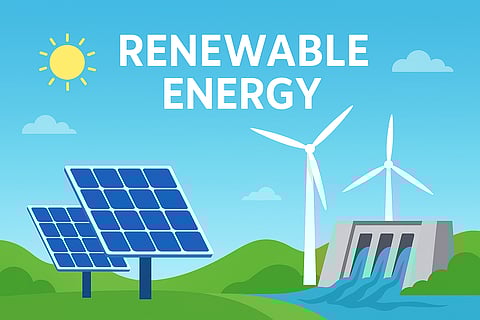
Renewable Energy: Powering a Cleaner, Smarter Future

As nations race to curb emissions and secure energy independence, renewable energy has emerged as the most powerful tool to reshape the global energy landscape.
From solar rooftops to offshore wind farms and modern hydro systems, clean energy technologies are transforming how homes, industries, and cities are powered.
The Rise of Clean Power
Renewable energy sources—solar, wind, hydro, geothermal, and biomass—are experiencing unprecedented growth. Solar and wind, in particular, have become more affordable than fossil fuels in many regions. The rapid drop in equipment costs, improvements in efficiency, and supportive government policies have accelerated the adoption of green energy worldwide.
Solar: The Fastest Growing Power Source
Solar power has become the backbone of global energy transition. With panel prices declining by over 80% in the last decade, households and companies are embracing solar rooftops, farms, and hybrid systems. Innovations like solar-plus-storage and floating solar are further expanding accessibility.
Wind: Harnessing Nature’s Momentum
Onshore and offshore wind farms are delivering massive amounts of clean electricity. Advanced turbine designs now capture more energy at lower wind speeds, making wind power viable across more geographies. Offshore wind, especially, is becoming a cornerstone for coastal nations.
Hydro and Emerging Technologies
Traditional hydropower remains a reliable and scalable energy source. Meanwhile, tidal, geothermal, and green hydrogen are emerging as future game-changers—offering continuous, clean energy even when the sun isn’t shining or the wind isn’t blowing.
The Bigger Impact
Beyond environmental benefits, renewable energy is reshaping economies. It is creating millions of jobs, reducing energy costs, improving air quality, and strengthening energy security. Clean energy systems are also crucial for climate resilience—helping countries pursue sustainable growth.
The Road Ahead
While the progress is remarkable, challenges remain: energy storage, grid modernization, and investment gaps. Yet with rapid innovation and global collaboration, renewable energy is set to dominate the world’s power portfolio in the coming decades.
Conclusion
Renewable energy is not just a technological shift—it is a global movement toward a cleaner, healthier, and more equitable future. As countries, companies, and communities embrace this transition, the world moves closer to achieving net-zero goals and sustainable development.
