
Qatar Signals Optimism on EU Sustainability Law Talks, Warns of Energy Supply Implications
Qatar has expressed cautious optimism that the European Union will address corporate concerns surrounding its sweeping sustainability legislation before the end of the year, even as tensions simmer over the potential impact on global energy trade.
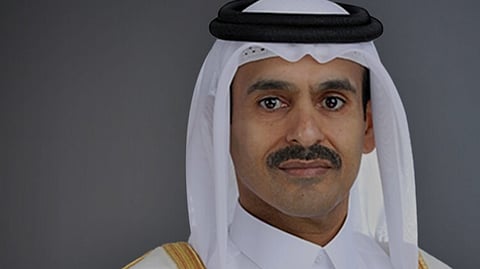
Speaking at the Doha Forum, Qatar’s Energy Minister Saad al-Kaabi said he expects the EU to resolve key issues related to its Corporate Sustainability Due Diligence Directive (CSDDD) by December.
Middle East Innovation: How Qatar’s Stadium 974 Is Redefining Circular Sports Infrastructure
The law, aimed at tightening corporate accountability on environmental and human rights standards, has triggered unease among several global energy producers—Qatar included.
Dispute Over Penalties and Net-Zero Targets
At the heart of the disagreement lies the directive’s provision allowing regulators to impose fines of up to 5% of a company’s total global revenue for violations. Qatar has publicly objected to the scale and reach of these penalties, warning that such measures could disrupt commercial relationships.
Al-Kaabi has also made clear that Qatar does not intend to commit to net-zero emissions targets under current frameworks—placing it at odds with Europe’s aggressive climate policy stance. Earlier, Qatari officials had even hinted at the possibility of halting gas supplies to the EU if regulatory pressure escalated.
Gas Demand to Stay Strong, Driven by AI and Emerging Industries
Despite the regulatory frictions, Qatar remains highly confident about the future of natural gas. Al-Kaabi said global gas demand would remain robust, driven in large part by the explosive growth of artificial intelligence and data infrastructure, which requires massive energy input.
“I have no worry at all about gas demand in the future,” he said, projecting that global liquefied natural gas (LNG) demand could rise to 600–700 million tonnes per annum by 2035.
North Field Expansion to Reshape Global LNG Supply
Qatar’s confidence is anchored in its massive North Field expansion project, which is set to significantly alter the global LNG landscape. At full capacity by 2027, the project is expected to produce 126 million metric tonnes per annum, expanding QatarEnergy’s output by about 85% from its current level of 77 mtpa.
In parallel, Qatar’s international footprint is also expanding. Al-Kaabi said the first production train of Golden Pass LNG, QatarEnergy’s joint venture with ExxonMobil in Texas, is expected to come online by the first quarter of 2026.
Oil Prices, Investment, and a Gulf Real Estate Warning
On oil markets, the energy minister said prices in the $70–$80 per barrel range would offer a sustainable balance—providing sufficient revenue for future energy investments without damaging global demand. However, he cautioned that prices above $90 a barrel could be excessive and destabilizing.
Beyond energy, al-Kaabi also struck a warning note on regional economic trends, saying that too much real estate development is underway across the Gulf. He cautioned that a property bubble may be forming, raising risks for long-term economic stability.
Conclusion: Energy Security Meets Sustainability Tensions
Qatar’s message to Europe is one of cautious cooperation mixed with firm economic realism. While Doha hopes the EU will temper corporate sustainability rules to accommodate global energy suppliers, it is equally clear that Qatar intends to proceed aggressively with its LNG expansion and market dominance strategy.
As the world navigates the difficult balance between climate regulation and energy security, the outcome of this EU-Qatar standoff could shape not only future gas supplies—but also how sustainability laws are enforced across global supply chains.
Read More: COP28 & EU Commit to Stronger Climate Ambition for Sustainable Socio-economic Development
